
Introduction
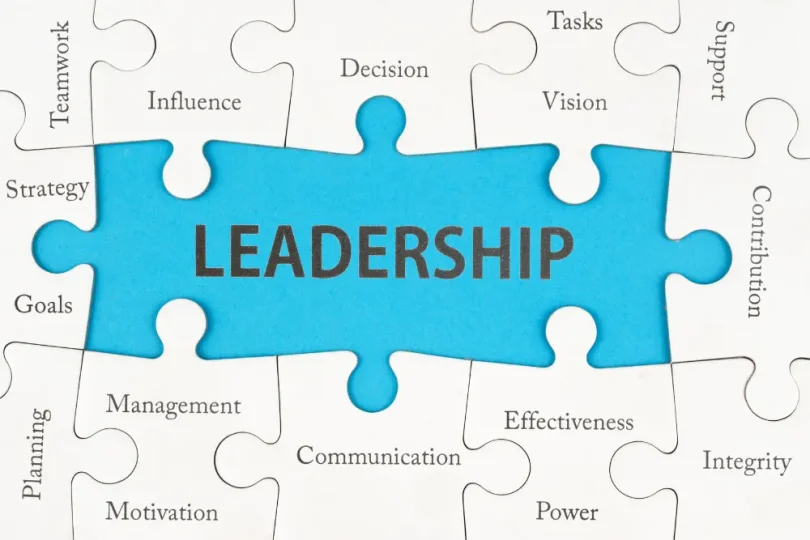
Leadership skills are among the most valuable abilities a person can develop in both personal and professional life. Whether you are managing a team, running a business, leading a project, or simply guiding others toward a common goal, strong leadership skills can make a significant difference in your success. Leadership is not limited to people in management positions. Anyone can become a leader by learning how to communicate effectively, inspire others, solve problems, and make informed decisions.
In today’s competitive world, organizations actively seek individuals who can lead teams, handle challenges, and drive positive results. Leadership skills help build trust, improve teamwork, increase productivity, and create a healthy work environment. These abilities are useful for students, employees, entrepreneurs, and professionals across every industry.
Many people believe that leaders are born with special talents. However, research and experience show that leadership is a skill that can be learned, practiced, and improved over time. With dedication and the right approach, anyone can develop the qualities needed to become an effective leader.
This comprehensive guide explains what leadership skills are, why they matter, how to develop them step by step, their advantages and disadvantages, common mistakes to avoid, and expert tips that can help beginners become confident and successful leaders.
What Are Leadership Skills?
Leadership skills are the abilities that help individuals guide, motivate, influence, and support others to achieve common objectives. These skills enable a person to manage responsibilities, make decisions, solve problems, and encourage teamwork. Effective leaders create a positive environment where people feel valued, respected, and motivated to perform at their best.
Leadership involves much more than giving instructions. It includes communication, emotional intelligence, accountability, adaptability, strategic thinking, conflict resolution, and decision-making. Leaders understand the strengths and weaknesses of their team members and use that knowledge to achieve organizational goals efficiently.
Strong leadership skills can be applied in various situations, including workplaces, educational institutions, community groups, sports teams, and businesses. Regardless of the setting, successful leaders focus on helping others grow while working toward shared success.
Why Are Leadership Skills Important?

Leadership skills are important because they directly influence the performance, morale, and success of individuals and organizations. Effective leaders provide direction, build trust, and create a vision that inspires people to work together toward common goals. Without strong leadership, teams often struggle with confusion, poor communication, and lack of motivation.
Organizations rely on skilled leaders to manage change, solve challenges, and maintain productivity. Leaders help employees stay focused, resolve conflicts, and adapt to new situations. Their ability to make informed decisions can significantly impact business growth and long-term success.
On a personal level, leadership skills improve confidence, communication abilities, problem-solving capabilities, and career opportunities. Individuals with strong leadership qualities are often trusted with greater responsibilities and are more likely to advance professionally. Developing leadership skills can benefit every aspect of life, from managing projects to building stronger relationships.
Step-by-Step Guide to Developing Leadership Skills
Step 1: Develop Self-Awareness
Self-awareness is the foundation of effective leadership. Before leading others, it is important to understand your own strengths, weaknesses, values, and behavior patterns. Self-aware leaders recognize how their actions affect others and continuously seek improvement.
Start by reflecting on your habits, communication style, and decision-making process. Ask for feedback from colleagues, mentors, or friends. Understanding yourself helps you become more authentic and effective as a leader.
Step 2: Improve Communication Skills
Communication is one of the most important leadership skills. Leaders must clearly express ideas, expectations, and goals while also listening to others. Effective communication reduces misunderstandings and builds trust within teams.
Practice active listening by paying full attention when others speak. Focus on clarity, confidence, and respect when communicating. Strong communication helps leaders motivate people and resolve issues more efficiently.
Step 3: Build Emotional Intelligence
Emotional intelligence refers to the ability to understand and manage emotions, both your own and those of others. Leaders with high emotional intelligence create positive relationships and handle difficult situations effectively.
Develop empathy by understanding different perspectives. Learn to remain calm during stressful situations and respond thoughtfully rather than emotionally. Emotional intelligence improves teamwork and strengthens leadership effectiveness.
Step 4: Learn Decision-Making Skills
Leaders are often responsible for making important decisions. Effective decision-making requires analyzing information, evaluating options, and considering potential outcomes.
Gather relevant facts before making decisions. Consider both short-term and long-term consequences. Practice making decisions confidently while remaining open to feedback and adjustments when necessary.
Step 5: Strengthen Problem-Solving Abilities
Challenges and obstacles are unavoidable in leadership roles. Successful leaders approach problems with a solution-focused mindset and encourage creative thinking.
Identify the root cause of issues rather than treating symptoms. Brainstorm possible solutions, evaluate risks, and implement the best option. Strong problem-solving skills help leaders navigate uncertainty and maintain progress.
Step 6: Build Trust and Credibility
Trust is essential for effective leadership. Team members are more likely to follow leaders who demonstrate honesty, integrity, and consistency.
Keep promises, communicate transparently, and take responsibility for mistakes. Show respect for others and maintain ethical standards. Building trust takes time but creates stronger relationships and improved team performance.
Step 7: Learn to Delegate Effectively
Many new leaders struggle with delegation because they want to control every aspect of a project. Effective delegation allows team members to contribute their skills while reducing unnecessary workload.
Assign tasks based on individual strengths and provide clear instructions. Trust your team to complete their responsibilities while offering support when needed. Delegation improves efficiency and encourages employee development.
Step 8: Develop Conflict Resolution Skills
Conflicts can arise in any group environment. Leaders must address disagreements quickly and fairly to prevent negative impacts on productivity and morale.
Listen to all parties involved and seek mutually beneficial solutions. Remain neutral, respectful, and focused on resolving the issue rather than assigning blame. Effective conflict resolution strengthens team relationships.
Step 9: Inspire and Motivate Others
Great leaders inspire people to perform beyond expectations. Motivation comes from understanding what drives individuals and creating an environment where they can succeed.
Recognize achievements, provide constructive feedback, and encourage professional growth. Motivated teams are more productive, engaged, and committed to organizational goals.
Step 10: Commit to Continuous Learning
Leadership development is an ongoing process. Successful leaders constantly seek new knowledge, skills, and experiences to improve their effectiveness.
Read books, attend workshops, seek mentorship, and learn from both successes and failures. Continuous learning helps leaders stay adaptable in a rapidly changing world.
Benefits of Leadership Skills
Leadership skills provide numerous advantages for individuals and organizations:
- Improved communication and collaboration
- Increased confidence and self-esteem
- Better decision-making abilities
- Stronger problem-solving skills
- Higher employee engagement and motivation
- Greater career advancement opportunities
- Enhanced team productivity and efficiency
- Improved conflict resolution capabilities
- Stronger relationships and trust-building
- Increased adaptability during change
- Better organizational performance
- Greater influence and credibility
- Improved time management and delegation
- Higher levels of innovation and creativity
- Long-term personal and professional growth
Disadvantages and Risks of Leadership Skills
Although leadership skills offer many benefits, there can also be challenges and risks:
- Increased responsibility and accountability
- Higher stress levels during difficult situations
- Pressure to make critical decisions
- Potential for burnout if work-life balance is ignored
- Risk of conflict when managing diverse personalities
- Possibility of criticism from team members or stakeholders
- Time investment required for leadership development
- Challenges in maintaining consistency and fairness
- Risk of overconfidence leading to poor decisions
- Difficulty balancing authority and approachability
Understanding these risks helps leaders prepare for challenges and manage them effectively.
Common Mistakes to Avoid
One of the most common leadership mistakes is failing to communicate clearly. Poor communication often leads to confusion, misunderstandings, and reduced team performance. Leaders should ensure expectations, goals, and feedback are communicated effectively and consistently.
Another major mistake is micromanaging employees. Constantly controlling every detail can reduce trust, creativity, and motivation. Leaders should empower team members by delegating responsibilities and allowing them to take ownership of their work.
Ignoring feedback is another issue that can hinder leadership growth. Effective leaders welcome constructive criticism and use it as an opportunity to improve. Refusing to listen can damage relationships and limit personal development.
Some leaders avoid difficult conversations to prevent conflict. However, unresolved issues often become larger problems over time. Addressing concerns promptly and professionally helps maintain a healthy team environment.
Many leaders also fail to recognize achievements. Employees who feel unappreciated may become disengaged. Regular recognition and encouragement help maintain motivation and commitment.
Finally, neglecting personal development can limit leadership effectiveness. Leadership requires continuous learning and adaptation. Leaders who stop growing may struggle to meet new challenges and opportunities.
Frequently Asked Questions (FAQs)
1. Can leadership skills be learned?
Yes, leadership skills can be learned and developed through education, practice, experience, and continuous improvement. While some people may naturally possess certain leadership traits, effective leadership is largely a learned skill.
2. What is the most important leadership skill?
Communication is often considered the most important leadership skill because it influences every aspect of leadership, including motivation, decision-making, teamwork, and conflict resolution.
3. How long does it take to develop leadership skills?
Leadership development is an ongoing process. Some improvements can be achieved within a few months through consistent practice, while mastering leadership skills may take years of experience and learning.
4. Why is emotional intelligence important for leaders?
Emotional intelligence helps leaders understand emotions, build relationships, manage stress, and resolve conflicts effectively. It contributes significantly to team success and workplace harmony.
5. Can introverts become effective leaders?
Absolutely. Introverts often possess strengths such as active listening, thoughtful decision-making, empathy, and strong focus. These qualities can make them highly effective leaders.
6. How can I improve my leadership skills quickly?
Focus on improving communication, seeking feedback, practicing decision-making, developing emotional intelligence, learning from mentors, and taking on leadership opportunities whenever possible.
7. What is the difference between leadership and management?
Leadership focuses on inspiring, motivating, and guiding people toward a vision, while management involves planning, organizing, and controlling resources to achieve specific objectives.
8. Why do organizations value leadership skills?
Organizations value leadership skills because effective leaders improve productivity, employee engagement, teamwork, innovation, and overall business performance.
Expert Tips and Bonus Points
Successful leaders spend more time listening than speaking. Understanding team members’ concerns and ideas helps build stronger relationships and better decision-making. Active listening demonstrates respect and encourages open communication.
Focus on leading by example. Team members often follow the behavior they observe from leaders. Demonstrating professionalism, integrity, accountability, and dedication creates a positive influence on others.
Build strong relationships based on trust and respect. Leadership is not about authority alone; it is about earning credibility through consistent actions and ethical behavior.
Develop adaptability and resilience. Modern workplaces change rapidly, and leaders must be prepared to adjust strategies and embrace new opportunities. Flexibility allows leaders to navigate uncertainty more effectively.
Invest in mentorship and networking opportunities. Learning from experienced leaders provides valuable insights and accelerates personal growth. Building professional relationships can also open doors to new opportunities.
Set clear goals and regularly measure progress. Leaders who establish realistic objectives and track performance create greater accountability and maintain focus on achieving results.
Celebrate both small and large achievements. Recognizing progress keeps teams motivated and reinforces positive behaviors. Appreciation contributes significantly to employee satisfaction and long-term success.
Conclusion
Leadership skills are essential for personal growth, career advancement, and organizational success. They enable individuals to inspire others, solve problems, make informed decisions, and create positive environments where teams can thrive. Effective leadership goes beyond authority and position; it involves communication, emotional intelligence, integrity, adaptability, and a commitment to continuous improvement.
For beginners, developing leadership skills may seem challenging at first, but every great leader starts with small steps. By building self-awareness, improving communication, strengthening decision-making abilities, and learning how to motivate others, anyone can become a more effective leader. Consistent practice and a willingness to learn are key factors in long-term leadership development.
The benefits of strong leadership extend far beyond the workplace. These skills improve relationships, increase confidence, enhance problem-solving abilities, and create opportunities for personal and professional success. While leadership comes with responsibilities and challenges, the rewards often outweigh the difficulties.
As the world continues to evolve, the demand for capable leaders will only increase. Investing time and effort into developing leadership skills today can create lasting advantages for the future. By applying the principles outlined in this guide, beginners can build a strong foundation and begin their journey toward becoming confident, respected, and impactful leaders.