


Introduction
Self improvement is one of the most valuable journeys a person can undertake. It is the continuous process of developing your skills, mindset, habits, knowledge, and overall quality of life. Whether you want to achieve career success, improve relationships, build confidence, increase productivity, or simply become a better version of yourself, self improvement provides a clear path toward meaningful growth.
In today’s fast-paced world, many people struggle with stress, distractions, lack of motivation, and uncertainty about their future. Self improvement helps individuals take control of their lives by focusing on personal development and positive change. Instead of waiting for circumstances to improve, people who embrace self improvement actively work on their goals and create opportunities for success.
The best part about self improvement is that anyone can start, regardless of age, education, background, or current situation. Small daily improvements often lead to significant long-term results. By developing better habits, learning new skills, and maintaining a growth mindset, individuals can unlock their full potential.
This comprehensive guide is designed specifically for beginners who want to understand self improvement and apply practical strategies in their daily lives. You will learn what self improvement is, why it matters, how to get started, common mistakes to avoid, and expert tips for achieving sustainable personal growth.
What is Self Improvement?
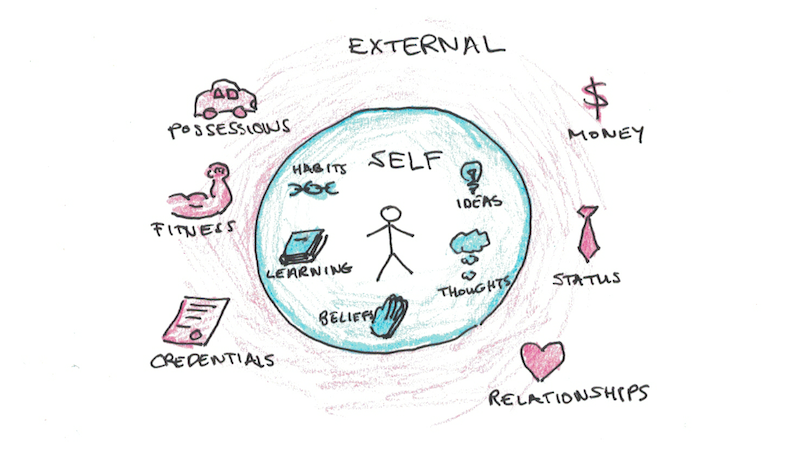
Self improvement refers to the deliberate effort to enhance various aspects of your life, including mental, emotional, physical, social, and professional development. It involves identifying areas where growth is needed and taking consistent actions to improve them over time.
The concept of self improvement is based on the belief that personal growth is a lifelong process. Rather than remaining stagnant, individuals continuously learn, adapt, and evolve. Self improvement can involve developing new skills, improving communication abilities, increasing self-awareness, strengthening discipline, managing emotions effectively, and pursuing meaningful goals.
At its core, self improvement is about becoming the best version of yourself. It is not about achieving perfection but making gradual progress through consistent effort. Every positive change, no matter how small, contributes to long-term success and fulfillment.
Self improvement can take many forms depending on individual goals and priorities. Some people focus on career advancement, while others prioritize health, relationships, financial stability, or emotional well-being. The journey is highly personal, and success is measured by growth rather than comparison with others.
Why is Self Improvement Important?
Self improvement plays a crucial role in helping individuals achieve personal and professional success. Without intentional growth, people often remain stuck in routines that limit their potential and prevent them from reaching meaningful goals.
One of the primary reasons self improvement is important is that it increases self-awareness. When individuals understand their strengths, weaknesses, values, and motivations, they make better decisions and create more effective strategies for success. Self-awareness serves as the foundation for lasting personal development.
Another important benefit is increased confidence. As people develop new skills, overcome challenges, and achieve goals, they build trust in their abilities. This confidence encourages them to take on bigger opportunities and handle difficulties more effectively.
Self improvement also enhances productivity, strengthens relationships, improves mental health, and creates a greater sense of purpose. By continuously learning and growing, individuals become more adaptable to change and better equipped to navigate life’s challenges. In an increasingly competitive world, personal development is often the key factor that separates success from stagnation.
Detailed Step-by-Step Guide
Step 1: Assess Your Current Situation
The first step in self improvement is understanding where you currently stand. Take time to evaluate different areas of your life, including health, career, finances, relationships, education, and personal happiness.
Honest self-assessment helps identify strengths that can be leveraged and weaknesses that need improvement. Writing your observations in a journal can provide valuable insights and create a clear starting point for your growth journey.
Step 2: Define Clear Goals
Without clear goals, self improvement efforts often lack direction. Set specific, measurable, achievable, relevant, and time-bound goals that align with your personal values and aspirations.
For example, instead of saying, “I want to be healthier,” set a goal such as, “I will exercise for 30 minutes five times per week for the next three months.” Clear goals provide motivation and make progress easier to track.
Step 3: Develop a Growth Mindset
A growth mindset is the belief that abilities and intelligence can be improved through effort and learning. People with a growth mindset view challenges as opportunities rather than obstacles.
Developing this mindset involves embracing mistakes, learning from failures, and maintaining a positive attitude toward improvement. Every setback becomes a valuable lesson that contributes to future success.
Step 4: Create Daily Habits
Success is built through daily habits rather than occasional bursts of motivation. Identify small actions that support your goals and incorporate them into your daily routine.
Examples include reading for 20 minutes, exercising regularly, practicing gratitude, learning a new skill, or planning your day each morning. Consistency is more important than intensity when building lasting habits.
Step 5: Improve Time Management
Effective time management allows you to focus on activities that contribute to personal growth. Start by identifying how you currently spend your time and eliminating unnecessary distractions.
Use tools such as calendars, task lists, and productivity techniques to organize your schedule. Prioritize important tasks and dedicate specific time blocks to self improvement activities.
Step 6: Invest in Continuous Learning
Learning is a fundamental component of self improvement. Read books, take courses, attend workshops, listen to podcasts, and seek knowledge that supports your goals.
Continuous learning expands your perspective, enhances skills, and increases opportunities for personal and professional growth. Even dedicating a small amount of time each day to learning can produce significant long-term benefits.
Step 7: Strengthen Emotional Intelligence
Emotional intelligence involves understanding and managing emotions effectively while building positive relationships with others. Strong emotional intelligence improves communication, decision-making, and conflict resolution.
Practice active listening, empathy, self-awareness, and emotional regulation. These skills contribute to both personal happiness and professional success.
Step 8: Prioritize Physical Health
Physical health significantly impacts mental performance, energy levels, and overall well-being. Regular exercise, balanced nutrition, adequate hydration, and quality sleep are essential components of self improvement.
When the body functions optimally, individuals experience greater focus, resilience, and productivity. Investing in health creates a strong foundation for achieving other goals.
Step 9: Build Positive Relationships
The people around you influence your mindset, habits, and success. Surround yourself with supportive individuals who encourage growth and inspire positive behavior.
Healthy relationships provide emotional support, valuable feedback, and opportunities for learning. Avoid toxic influences that hinder progress or discourage self improvement efforts.
Step 10: Track Progress and Adjust
Regularly review your goals and evaluate your progress. Celebrate achievements, identify challenges, and make necessary adjustments to your strategy.
Tracking progress helps maintain motivation and ensures that your efforts remain aligned with your desired outcomes. Growth is rarely linear, so flexibility and persistence are essential.
Benefits of Self Improvement
Self improvement offers numerous advantages that positively impact every aspect of life:
- Increases self-confidence and self-esteem
- Enhances productivity and efficiency
- Improves mental and emotional well-being
- Strengthens communication skills
- Promotes healthier lifestyle choices
- Creates better career opportunities
- Develops leadership abilities
- Improves decision-making skills
- Encourages lifelong learning
- Builds resilience during challenges
- Strengthens personal relationships
- Increases financial awareness and discipline
- Helps achieve personal and professional goals
- Creates a stronger sense of purpose
- Leads to greater overall life satisfaction
Disadvantages / Risks
While self improvement is beneficial, there are potential risks when approached incorrectly:
- Setting unrealistic expectations
- Becoming overly critical of yourself
- Constantly comparing yourself to others
- Experiencing burnout from excessive pressure
- Focusing on too many goals simultaneously
- Spending excessive money on unnecessary courses or programs
- Seeking perfection instead of progress
- Neglecting personal relationships while pursuing goals
- Becoming overwhelmed by information overload
- Losing motivation when results are not immediate
Understanding these risks helps individuals maintain a balanced and sustainable approach to personal development.
Common Mistakes to Avoid
Many beginners make mistakes that slow their progress and reduce motivation. One common mistake is attempting to change everything at once. Large-scale transformations often feel overwhelming and difficult to maintain. Focusing on one or two key areas at a time increases the likelihood of success.
Another frequent mistake is relying solely on motivation. Motivation naturally fluctuates, making it an unreliable foundation for long-term growth. Building consistent habits and systems creates sustainable progress even during periods of low motivation.
Many people also compare their journey to others. Personal growth is unique, and comparisons often lead to discouragement. Instead, focus on your own progress and celebrate improvements regardless of how small they may seem.
Failing to track progress is another significant mistake. Without measurement, it becomes difficult to identify improvements or determine whether current strategies are effective. Regular reflection and evaluation help maintain direction and accountability.
Finally, some individuals quit too early because they expect immediate results. Meaningful self improvement requires patience, consistency, and persistence. Lasting change often takes months or years rather than days or weeks.
FAQs
1. What is the first step in self improvement?
The first step is self-awareness. Understanding your strengths, weaknesses, habits, and goals provides a clear starting point for personal growth and helps identify areas that need improvement.
2. How long does self improvement take?
Self improvement is a lifelong process rather than a destination. While some improvements can be noticed within weeks, significant transformations often require months or years of consistent effort.
3. Can anyone practice self improvement?
Yes. Self improvement is accessible to everyone regardless of age, education, background, or current circumstances. The key requirement is a willingness to learn and grow.
4. How can I stay motivated during my self improvement journey?
Set meaningful goals, track progress, celebrate small wins, maintain positive habits, and focus on long-term benefits. Building discipline and consistency is often more effective than relying solely on motivation.
5. What areas of life should I focus on improving?
Common areas include health, mindset, relationships, finances, communication, productivity, emotional intelligence, and professional skills. Choose areas that align with your personal goals and values.
6. Is self improvement the same as self-help?
Not exactly. Self-help usually refers to resources such as books, courses, and advice, while self improvement is the practical process of applying knowledge and making positive changes in your life.
7. How can I measure personal growth?
Track progress through journals, goal reviews, habit trackers, performance metrics, and self-reflection. Measuring progress helps identify improvements and maintain motivation.
8. What should I do if I experience setbacks?
View setbacks as learning opportunities rather than failures. Analyze what happened, adjust your approach, and continue moving forward. Persistence is a critical component of successful self improvement.
Expert Tips & Bonus Points
Start with small, manageable habits that can be maintained consistently over time. Tiny improvements often create significant long-term results through the compounding effect of daily actions.
Read regularly and expose yourself to diverse perspectives. Continuous learning broadens your understanding and helps identify new opportunities for growth and development.
Keep a personal journal to record thoughts, goals, lessons, and achievements. Journaling increases self-awareness and provides valuable insights into your progress over time.
Practice gratitude daily. Focusing on positive aspects of life improves mental well-being and helps maintain motivation during challenging periods.
Seek feedback from trusted mentors, friends, or colleagues. Constructive feedback reveals blind spots and provides valuable guidance for improvement.
Develop patience and embrace the process. Sustainable self improvement is not about quick fixes but consistent effort over an extended period.
Prioritize quality over quantity. It is better to master a few meaningful habits than to attempt dozens of changes simultaneously.
Remember that progress is often invisible in the short term but transformative in the long term. Stay committed to your goals even when results are not immediately apparent.
Conclusion
Self improvement is one of the most rewarding investments you can make in yourself. It is a lifelong journey focused on developing better habits, expanding knowledge, strengthening skills, improving relationships, and creating a more fulfilling life. While the path to personal growth may involve challenges, setbacks, and periods of uncertainty, the rewards far outweigh the difficulties.
The key to successful self improvement lies in consistency rather than perfection. Small daily actions, when repeated over time, create remarkable transformations. By assessing your current situation, setting clear goals, building productive habits, maintaining a growth mindset, and continuously learning, you can unlock your true potential and achieve meaningful success.
It is important to remember that self improvement is not about becoming someone else. Instead, it is about becoming the best version of who you already are. Every step forward, no matter how small, contributes to your personal growth and future achievements.
Begin your self improvement journey today by choosing one area of your life to improve and taking a simple action toward that goal. With dedication, patience, and persistence, you can create lasting positive change and build a life that reflects your highest aspirations and values.

